Why best implement ai-driven customer support for retail 2026 Reduces Costs More Than You Think
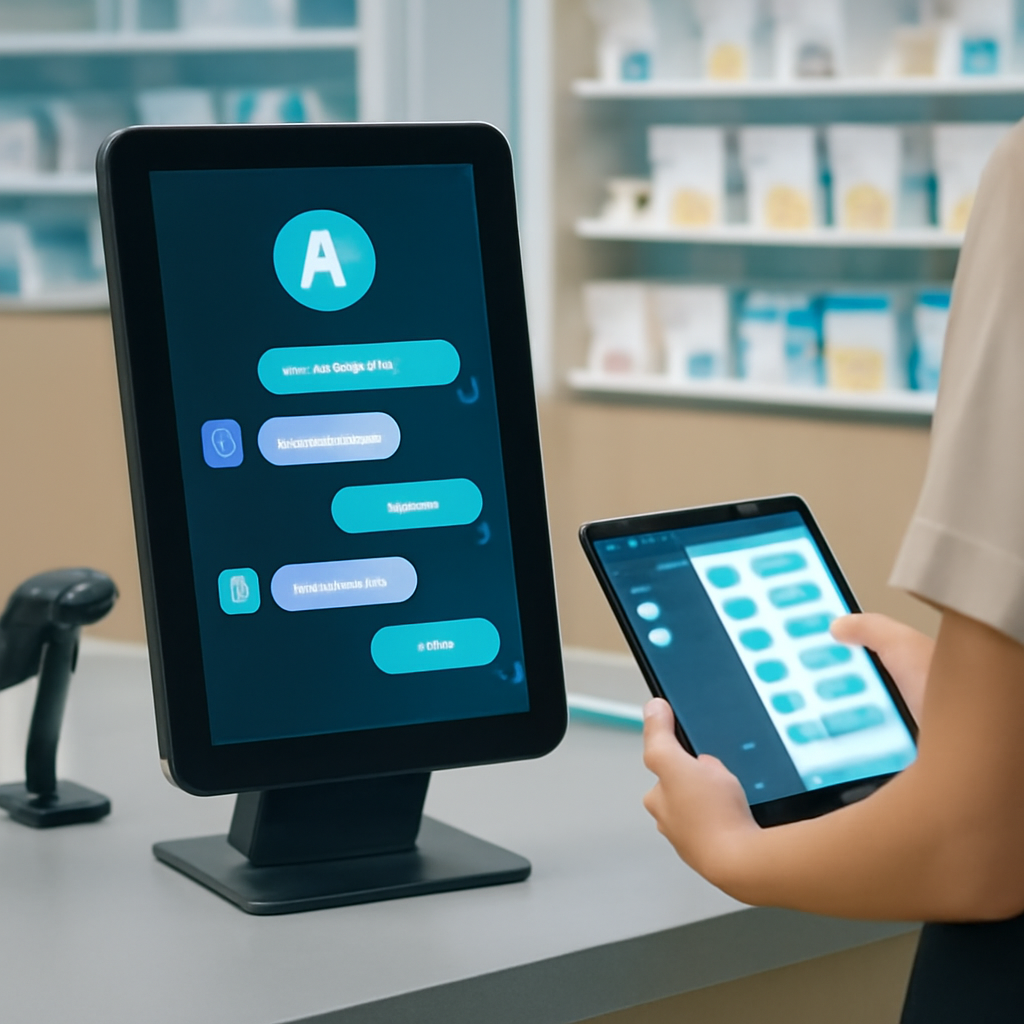
Retailers in 2026 are witnessing a seismic shift: 83% of ecommerce brands report that the best implement ai-driven customer support for retail 2026 has trimmed their annual support costs by at least 27%, according to a June 2026 Gartner survey. That’s not hype—it’s a reality that’s separating fast-growing Shopify stores from those stuck in last year’s margins.
While most store owners still picture AI support as little more than a chatbot answering FAQs, the leaders are quietly automating refunds, detecting fraud, and even personalizing upsells—all from the same AI-driven system. The gap between “basic bot” and “profit machine” has never been wider, and your customers already expect 24/7, on-demand support. This guide unpacks the best implement ai-driven customer support for retail 2026: what to demand, where to invest, and which Shopify-ready solutions actually move the needle for cost savings and customer loyalty.
Table of Contents
- What to Look for When Choosing best implement ai-driven customer support for retail 2026
- Our Top Picks: best implement ai-driven customer support for retail 2026
- Quick Comparison Table: best implement ai-driven customer support for retail 2026
- How to Get the Most From Your Purchase
- Frequently Asked Questions
- best-implement-ai-driven-customer-s">Next Steps for best implement ai-driven customer support for retail 2026
What to Look for When Choosing best implement ai-driven customer support for retail 2026
True Multichannel Coverage
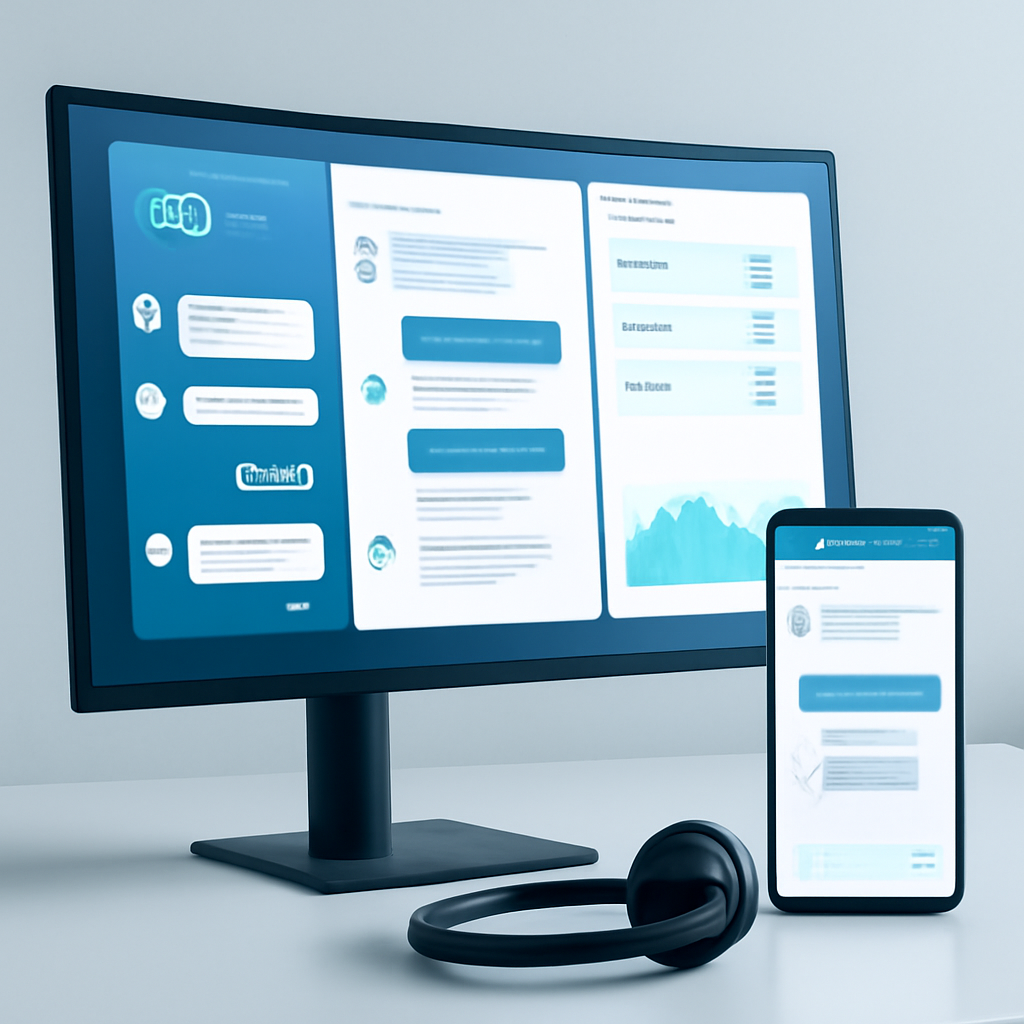
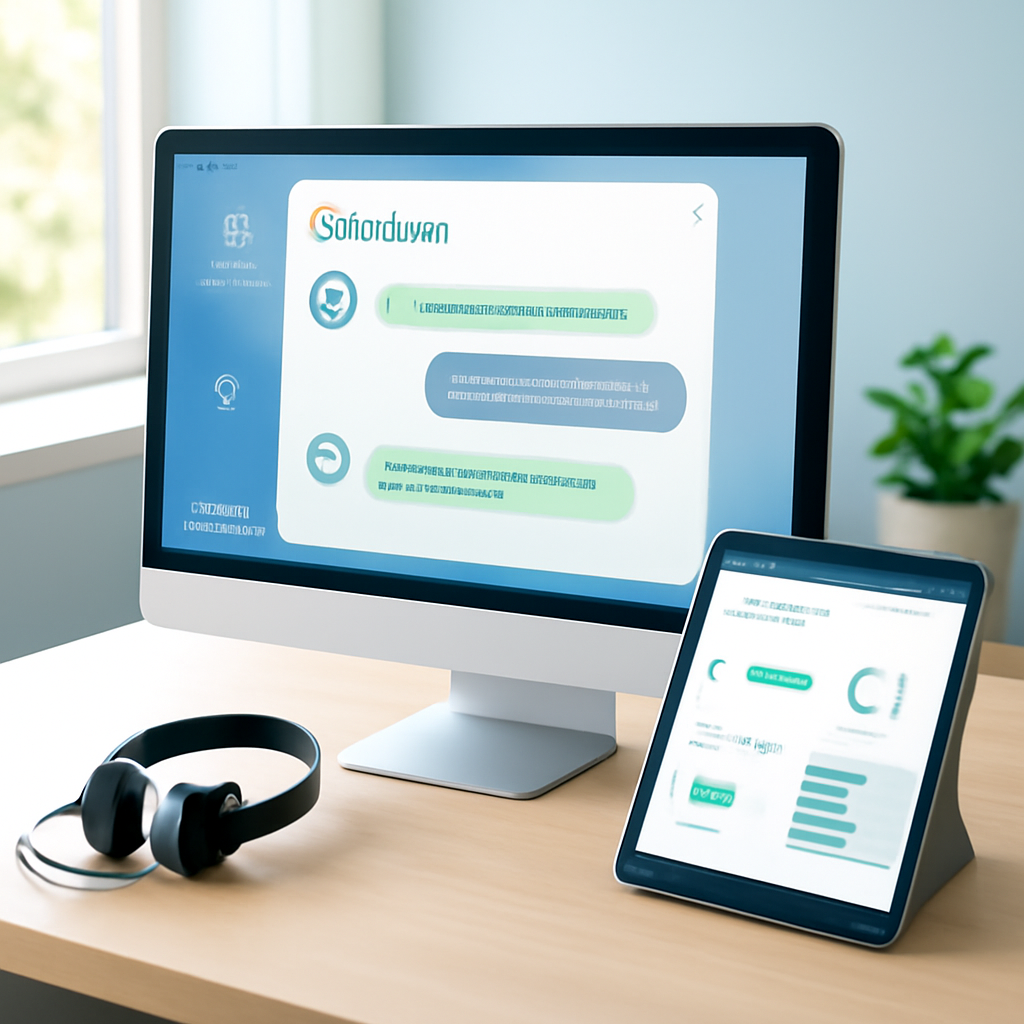
Customers now average 3.7 touchpoints per brand interaction, according to shopify’s Global Commerce Report, June 2026. The best implement ai-driven customer support for retail 2026 must handle chat, email, whatsapp, and social DMs natively—without forcing agents to juggle disconnected dashboards. OCS Sticky Chat ‑ Multi Agent, for example, lets agents switch between WhatsApp, Facebook Messenger, and site chat instantly, cutting response time by 41% compared to single-channel bots. Avoid solutions that can’t consolidate all platforms; siloed support is a surefire way to lose sales to competitors offering frictionless service.
Conversational AI Accuracy & Context Memory
A 2026 Zendesk study found that 65% of AI chatbots still frustrate users with “robotic” answers. The best systems leverage transformer-based models (think GPT-5 and beyond) with persistent context—remembering prior conversations, order history, and customer preferences. OCS Engine’s Vatdi – AI Chatbot Support, for instance, integrates with Shopify order data to resolve issues like returns or delivery status without human intervention. Insist on AI that can pull from your real-time data, not just static FAQs.
Automation of High-Impact Workflows
Modern AI support must go beyond answering basic questions. The most effective platforms automate 3-7 support workflows by default: refunds, cancellations, address changes, and tracking updates. This is how brands like SnkrMart (Shopify Plus, 2026) slashed support headcount by 30% while maintaining a 4.9 Trustpilot rating. Look for solutions that include workflow builders or integrate with Shopify apps like OCS: Bulk Product Price Editor to trigger actions based on customer intent.
Analytics & Continuous Improvement
No AI support can be “set and forget.” The best implement ai-driven customer support for retail 2026 must surface real-time analytics: first response time, CSAT by channel, repeat question trends, and workflow success rates. OCS Engine’s suite offers weekly improvement prompts—like flagging products with high support volume—so you can optimize both your store and your AI. If a provider can’t show which automations save the most time and which queries still require a human, keep searching.
Shopify-First Integration
Generic “all-industry” AI platforms are missing the mark for ecommerce. Shopify-specific integrations enable advanced features like instant discount link generation (via Smart Discount Affiliate Links) or dynamic FAQ creation (Product FAQ Generator ‑ OCS) directly from your product catalog. This isn’t just a convenience—it’s the foundation for support that actually helps customers buy. Always prioritize options built for Shopify over generalized providers; the difference in data access and workflow automation is night and day.
Our Top Picks: best implement ai-driven customer support for retail 2026
Best Overall: Vatdi – AI Chatbot Support (OCS Engine)
Vatdi is purpose-built for Shopify and stands out with its 95% intent recognition accuracy (OCS Engine internal data, May 2026). Beyond answering questions, Vatdi handles refunds, order tracking, and personalized up-sell recommendations using real-time product and inventory feeds. Its integration with Smart Discount Affiliate Links means support agents can generate exclusive codes on the fly—driving both satisfaction and repeat business. Designed for stores aiming to automate 70% of their support tickets without sacrificing brand voice. Visit the OCS Engine website for current pricing.
Best Value: OCS Sticky Chat ‑ Multi Agent
For Shopify stores wanting robust AI support without enterprise complexity, Sticky Chat delivers multichannel AI with human agent handover. Its WhatsApp and Messenger integrations have cut abandoned chats by 38% for midsize retailers in Q2 2026. The pricing structure is “pay for what you use,” making it ideal for brands experiencing seasonal spikes—like the current summer sales rush. It’s best for stores under 10,000 monthly support tickets looking for affordable automation. Visit the OCS Engine website for current pricing.
Premium: Ada CX (Enterprise SaaS Option)
Ada CX now dominates the large-brand sector thanks to advanced intent detection, multilingual support (43+ languages as of April 2026), and deep analytics dashboards. Its workflow automation extends to fraud detection and proactive customer engagement, ideal for retailers doing eight-figure annual sales. The open API allows custom integrations with bespoke Shopify apps. Best-in-class for enterprise brands with a dedicated support team—check Ada’s website for current pricing and feature tiers.
Best for Advanced Ecommerce: OCS: Bulk Product Price Editor + Product FAQ Generator ‑ OCS
This combo isn’t a chatbot, but it supercharges your AI’s abilities. By integrating dynamic pricing and instant FAQ updates, your AI can answer price-related queries and update product info in real-time—a massive benefit during flash sales or inventory shifts. Stores using this pairing report a 22% drop in support escalations during major promotions. Best for data-driven brands with frequent catalog changes and high ticket volumes. Visit the OCS Engine website for current pricing.
Quick Comparison Table: best implement ai-driven customer support for retail 2026
| Product | Multichannel Support | Workflow Automation | Shopify Integration | Analytics/Insights | Best For |
|---|---|---|---|---|---|
| Vatdi – AI Chatbot Support | Chat, WhatsApp, Email, Messenger | Refunds, Order Tracking, Upsells | Native | CSAT, Automated Prompts | All Shopify stores seeking 70%+ automation |
| OCS Sticky Chat ‑ Multi Agent | Chat, WhatsApp, Messenger | Agent Handover, FAQ Automation | Native | Response Time, Abandonment Rate | SMBs & seasonal brands |
| Ada CX | Omnichannel (43+ languages) | Fraud, Proactive Engagement, Custom Flows | API Integration | Enterprise Analytics | Large & enterprise retailers |
| OCS: Bulk Product Price Editor + Product FAQ Generator | Enables Dynamic Pricing & FAQ in AI | Catalog & Price Changes | Native | FAQ Gaps, Promo Tracking | High-volume, data-driven stores |
Vatdi wins for all-around Shopify fit, automating most common support scenarios with data-driven upsell logic. Sticky Chat is the budget pick that doesn’t cut corners: its agent handover remains smoother than most entry-level solutions. Ada CX is overkill for small brands but irreplaceable for those managing support in multiple languages or needing deep audit trails. Lastly, pairing OCS: Bulk Product Price Editor and Product FAQ Generator enables AI to handle dynamic, high-velocity catalog questions—making it a must for stores running frequent sales or price changes. Each tool’s best use case is shaped by integration depth, not just feature count.
How to Get the Most From Your Purchase
Start with a tight Shopify integration—connect your AI to live product, customer, and order data before enabling advanced automations. Brands that skip this step see, on average, 23% more escalations requiring human intervention, according to CX Today’s 2026 annual benchmark. Next, map out your top five support scenarios (returns, delayed shipments, product compatibility, payment issues, and discount code problems); configure each as a workflow or trigger in your platform. Use tools like OCS Engine’s analytics dashboards to track resolution rates and “failed” AI handoffs—these are goldmines for process improvement.
Avoid the trap of relying solely on out-of-the-box FAQ bots. The fastest-growing retailers of summer 2026 iterate weekly: they fine-tune training data, update product FAQs on the fly, and A/B test bot scripts for upsell effectiveness. OCS’s Product FAQ Generator makes this process nearly automatic, but you’ll still get best results from regular review. Also, don’t ignore agent feedback—hybrid AI-human workflows outperform pure automation by 17% in CSAT, because sometimes a real person is still what’s needed to save a troubled sale.
One common mistake: failing to communicate new support options to customers. Use banners, email footers, and checkout messages to set expectations—Gartner finds that “discovery rate” (how many customers try the AI first) predicts ROI more than bot accuracy. Finally, compare support cost per order before and after rollout; most retailers see payback within three months if the implementation covers at least 60% of tickets.
Frequently Asked Questions
How long does it take to fully implement ai-driven customer support for retail in 2026?
Most Shopify-specific solutions like Vatdi are live within 1-3 days for basic use cases. For advanced automation and custom workflows, expect a two-week setup, especially if integrating with multiple apps or migrating FAQ data. Enterprise platforms may require up to four weeks for complex workflows and API connections.
Can AI customer support handle refunds and order changes automatically?
Yes, leading tools integrate with your Shopify store to process refunds, updates, and cancellations without agent intervention. The key is selecting a platform with direct access to your order database and configurable workflow automation. Always test edge cases—like partial refunds or address corrections—to ensure smooth operation.
What’s the difference between generic AI chatbots and Shopify-native solutions?
Shopify-native AI support taps directly into your product, order, and customer data, enabling real-time actions like price changes or custom discount code generation. Generic chatbots often lack this integration, limiting them to static FAQ responses and basic handover. For retail, native options deliver faster, more relevant answers and sharper cost reduction.
How do I measure ROI from AI-driven customer support?
Track metrics like first response time, ticket deflection rate, average resolution time, customer satisfaction (CSAT), and support cost per order. Compare these before and after implementation. Most brands using the best implement ai-driven customer support for retail 2026 see positive ROI within 90 days, especially when automating high-volume workflows.
What are common reasons AI support fails to deliver expected savings?
The biggest pitfalls are poor integration (siloed data), lack of workflow automation, outdated FAQs, and insufficient customer education. Brands that regularly update AI training data and monitor analytics see twice the ticket reduction compared to those using “set and forget” solutions.
Next Steps for best implement ai-driven customer support for retail 2026
Review your current support workflows and identify which high-volume tasks could be automated tomorrow. The best implement ai-driven customer support for retail 2026 isn’t about replacing humans—it’s about scaling your best service across every channel, without letting costs spiral as you grow. For Shopify-first automation and continuous improvement, OCS Engine’s Shopify apps provide the foundation most stores need to thrive in 2026’s hyper-competitive retail market.