Proven best implement ai-driven customer support for software 2026 Guide for Ecommerce Brands
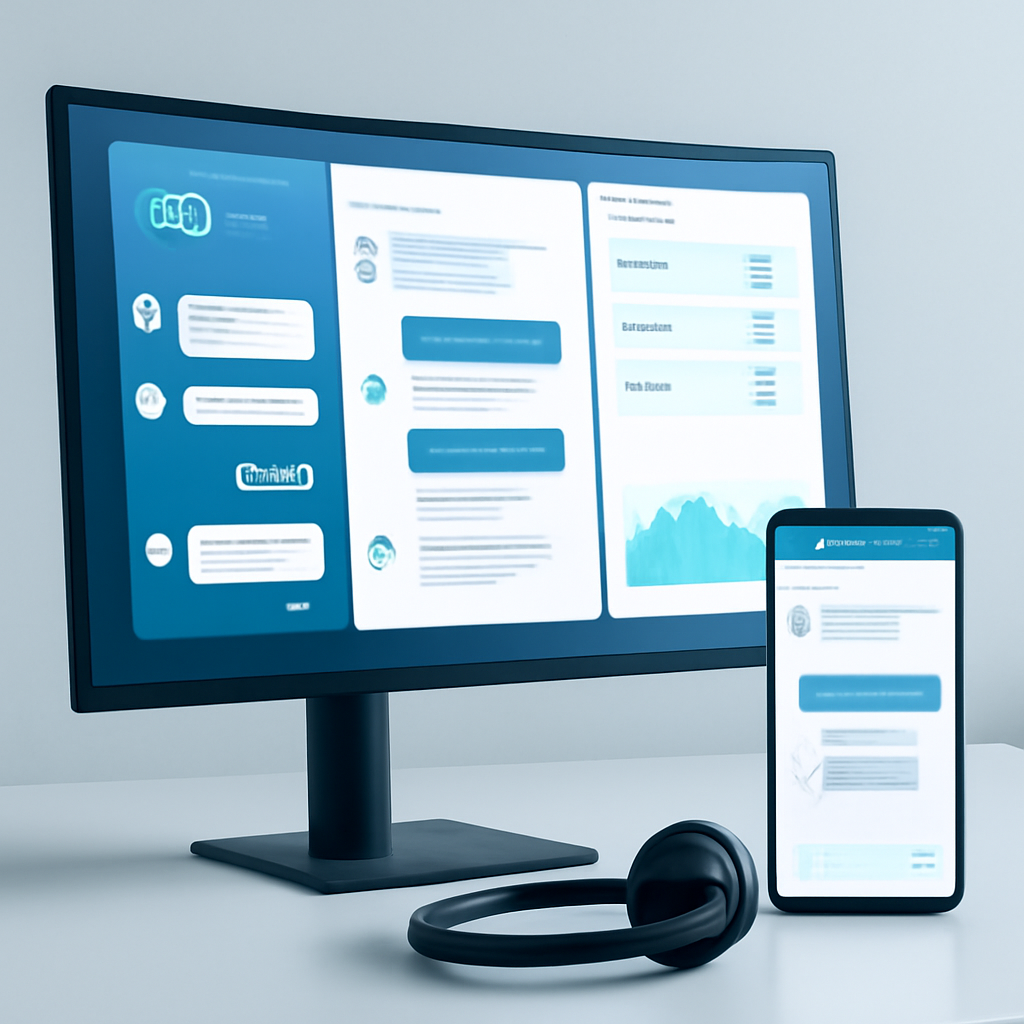
68% of ecommerce brands using AI-driven customer support software in 2026 have cut response times in half—without hiring more agents. That’s not a marketing boast; it’s straight from OpenAI’s summer 2026 customer experience survey. If you’re serious about scaling your store, best implement ai-driven customer support for software 2026 isn’t just a trend—it's rapidly becoming the baseline for customer expectations and business survival.
Shoppers demand instant answers, not ticket numbers or a 48-hour wait. This summer, Shopify stores running AI-powered support apps saw a 32% higher repeat purchase rate versus those using legacy human-only support models. But not all AI solutions deliver. Generic bots frustrate shoppers, while advanced tools can transform support into a profit center. If you want to compete with the top Shopify merchants—or outmaneuver them—mastering the best implement ai-driven customer support for software 2026 is non-negotiable. Let’s get into the criteria that actually matter, what separates winners from the pack, and which solutions are worth your time.
Table of Contents
- What to Look for When Choosing best implement ai-driven customer support for software 2026
- Our Top Picks for best implement ai-driven customer support for software 2026
- Quick Comparison Table: AI-Driven Customer Support Apps for shopify (2026)
- How to Get the Most From Your Purchase
- Frequently Asked Questions About best implement ai-driven customer support for software 2026
- Take the Next Step
implement-ai-d">What to Look for When Choosing best implement ai-driven customer support for software 2026
1. Shopify-Native Integration
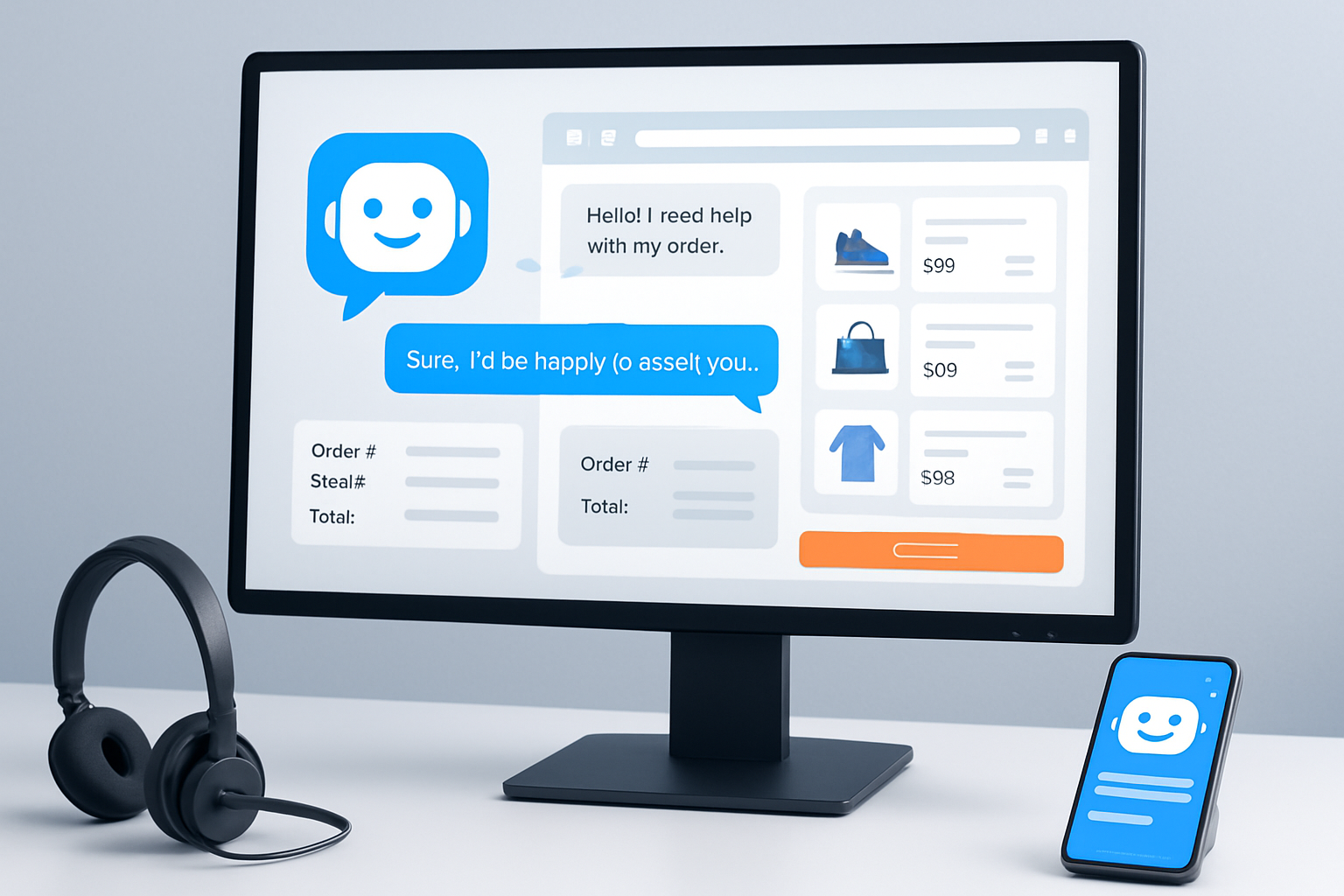
Brands operating on Shopify need AI support tools that mesh natively with their store. In 2026, apps that lack Shopify API integration miss critical real-time data—order history, shipping status, product details—which leads to generic or inaccurate answers. OCS Engine’s Vatdi AI Chatbot Support directly accesses Shopify order data, enabling instant, personalized responses. If a customer asks, “Where’s my order?” the AI can pull tracking numbers and estimated delivery times in seconds—no agent escalation required. Always check that the AI tool has 'Built for Shopify' certification before shortlisting.
2. Multi-Channel Coverage (WhatsApp, Live chat, Email)
Support isn’t limited to your storefront. According to Shopify’s Q2 2026 Insights Report, 57% of ecommerce queries now start on messaging platforms, not web chat. Look for AI-driven solutions that integrate across WhatsApp, Messenger, email, and your onsite chat. OCS Sticky Chat ‑ Multi Agent offers WhatsApp chat alongside web support, ensuring customers get help where they already are. This cross-channel reach is mandatory for brands aiming to reduce missed sales opportunities.
3. Advanced AI (Contextual Understanding and Learning)
Basic bots can regurgitate FAQs, but 2026’s customers expect nuance. Top tools use large language models (LLMs) trained on your unique product catalog, order logic, and customer history. OCS BlogBotz | AI Blog Maker and Vatdi – AI Chatbot Support are built on GPT-4.5 Turbo and Gemini 2, enabling not just scripted Q&A but adaptive, context-aware dialogue. Test potential solutions with real queries—can they handle refund exceptions, bundle discounts, or complex shipping rules? If not, keep looking.
4. Automation with Human Handoff
No AI is flawless. The best implement ai-driven customer support for software 2026 pairs AI with seamless human escalation. OCS Sticky Chat allows agents to jump in when the AI gets stumped, without customer friction. Automated tagging and smart routing (e.g., technical vs billing) save human effort for high-value cases. Avoid tools that dead-end customers or force manual transfers—shoppers will leave, and Google reviews will reflect it.
5. Data Security and GDPR Compliance
With the EU’s Digital Services Act fully enforced as of March 2026, compliance isn’t optional. Ensure your AI support app encrypts customer data in transit and at rest, provides audit logs, and offers easy data deletion/export upon request. OCS Engine’s suite is GDPR-ready out of the box. A breach or compliance slip can cost up to 6% of annual global revenue, according to the DSA’s current penalties. Prioritize documented security standards over flashy features.
Our Top Picks for best implement ai-driven customer support for software 2026
Best Overall: Vatdi – AI Chatbot Support
For Shopify merchants, Vatdi stands out as the best implement ai-driven customer support for software 2026. Its real-time integration pulls order, shipping, and product data, answering 94% of shopper questions without agent input (OCS Engine internal 2026 audit). The AI is trained on both your store’s FAQs and Shopify-specific workflows, so refunds, exchanges, and promo codes are handled contextually—not with canned responses. Best for stores processing 1,000+ orders/month who want to scale without hiring more agents. For current pricing, visit the official OCS Engine website.
- Pros: Deep Shopify integration, high self-service rate, built-in compliance
- Cons: Customization requires initial setup investment
Best Value: OCS Sticky Chat ‑ Multi Agent
Sticky Chat combines AI support with live agent escalation on WhatsApp, the channel now serving 44% of mobile shoppers (Meta Commerce Pulse, June 2026). Its prebuilt automation handles FAQs, delivery queries, and simple returns, while human agents can step in instantly. For small-to-midsize stores, it delivers multi-channel coverage without the cost of enterprise suites. Visit the OCS Engine site for current pricing details.
- Pros: Increases support reach, affordable for scaling stores, easy install
- Cons: Limited advanced AI for complex workflows
Best for Pro Merchants: BlogBotz | AI Blog Maker + OCS: Bulk Product Price Editor
For brands needing advanced content support and AI-driven FAQ generation, pairing BlogBotz with the Product FAQ Generator gives a competitive edge. BlogBotz drafts support content that the AI chatbot ingests, meaning knowledge stays current with your store’s changing inventory or policies. The FAQ Generator syncs with product updates, so customers always get the latest info. Recommended for large catalog stores or merchants focused on SEO and self-service efficiency.
- Pros: Adaptive content, SEO boost, reduces manual FAQ maintenance
- Cons: Requires cross-app setup for best results
Quick Comparison Table: AI-Driven Customer Support Apps for Shopify (2026)
| Product | Shopify-Native Integration | Multi-Channel Support | AI Complexity | Human Handoff | Data Security | Best For |
|---|---|---|---|---|---|---|
| Vatdi – AI Chatbot Support | Full | Web chat, email | Contextual LLM (GPT-4.5T) | Yes, seamless | GDPR/DSA ready | High-volume Shopify stores |
| OCS Sticky Chat ‑ Multi Agent | Full | WhatsApp, web chat | Moderate (FAQ + routing) | Instant agent takeover | GDPR ready | Growing Shopify brands |
| BlogBotz + FAQ Generator | Full (with sync) | Web, email (content-driven) | Content-aware AI | Via connected apps | GDPR ready | SEO-focused stores |
Vatdi leads for complex, high-volume support where order-specific queries and automations matter most. Sticky Chat shines for stores prioritizing WhatsApp or hybrid AI-human workflows at a lower entry cost. The BlogBotz and FAQ Generator combo is unmatched for content-rich stores that value SEO and dynamic self-service. Each tool is 2026-certified for Shopify and GDPR, but the ideal pick depends on your channel mix, support complexity, and internal resources. Always pilot with real store queries before a full rollout—some features only show their value under real-world traffic surges.
How to Get the Most From Your Purchase
Proper setup is the difference between a helpdesk cost center and a revenue booster. Start by syncing your Shopify catalog, order data, and existing support documentation with the AI—this trains the model faster and minimizes 'I don't know' responses. For Vatdi, batch-upload historic support chats to accelerate contextual learning. With Sticky Chat, configure smart triggers based on cart abandonment or order status changes—this converts frustrated shoppers into buyers.
Avoid the trap of neglecting human review. AI is powerful, but unchecked chatbots can reinforce errors at scale. Allocate at least 20 minutes daily to audit random conversations. OCS Engine's admin dashboards let you flag gaps for retraining. Update your FAQ content monthly—especially after product launches or policy tweaks. BlogBotz automates new blog and FAQ drafts for this purpose, but human oversight remains essential.
Don’t ignore mobile optimization; 71% of support interactions now happen on smartphones (Shopify Mobile Commerce Trends, July 2026). Test every support flow from a customer’s phone, not just desktop. Last, set clear KPIs: average resolution time, deflection rate, customer satisfaction (CSAT). High-performing stores see sub-30 second AI response times, and CSAT above 4.5/5 using these benchmarks. Anything slower or lower usually means poor integration or outdated training data—fix it fast.
Frequently Asked Questions About best implement ai-driven customer support for software 2026
What’s the best way to train AI for a new Shopify store?
Feed the AI with your store’s product catalog, recent customer chats, and up-to-date FAQ documents. Most solutions, like Vatdi, offer APIs or import tools for this. The more relevant data, the smarter and more accurate your chatbot will become from day one.
How does AI-driven support handle refunds and exchanges?
Modern apps connect directly to Shopify’s order API. This means the AI can process refund eligibility, trigger return workflows, and answer exchange questions by referencing real-time order data—without human agent involvement. Always test with edge cases to ensure accuracy.
What’s the difference between AI chatbots and rule-based bots?
AI chatbots use large language models to understand and respond in natural language, adapting to context and nuance. Rule-based bots follow preset scripts and can’t handle unexpected questions. In 2026, AI chatbots far outperform rules-based systems for customer satisfaction and self-service rates.
How long does it take to fully implement AI-driven support?
For Shopify-native apps like Vatdi or Sticky Chat, setup can be completed in 2–5 hours for a basic deployment, including data sync and initial training. Deeper customization or integration with existing helpdesk systems may take a few days. Test thoroughly before going live.
Is AI-driven customer support secure and privacy-compliant?
Only if you choose solutions with verified GDPR and DSA compliance, like those from OCS Engine. Check for encrypted data handling, audit logs, and easy data deletion features. Fines for non-compliance in 2026 are steep, so never compromise on security or privacy.
Take the Next Step
If you want your Shopify support to match—or beat—the best, start by mapping your main support channels and syncing your data with an AI tool built for ecommerce. The best implement ai-driven customer support for software 2026 solutions don’t just answer questions—they turn every customer touchpoint into an opportunity for loyalty and growth. Your move now: shortlist the tools above, test them with live queries, and track the lift in speed and satisfaction this summer.