How much do bulk price editing apps cost for ecommerce stores
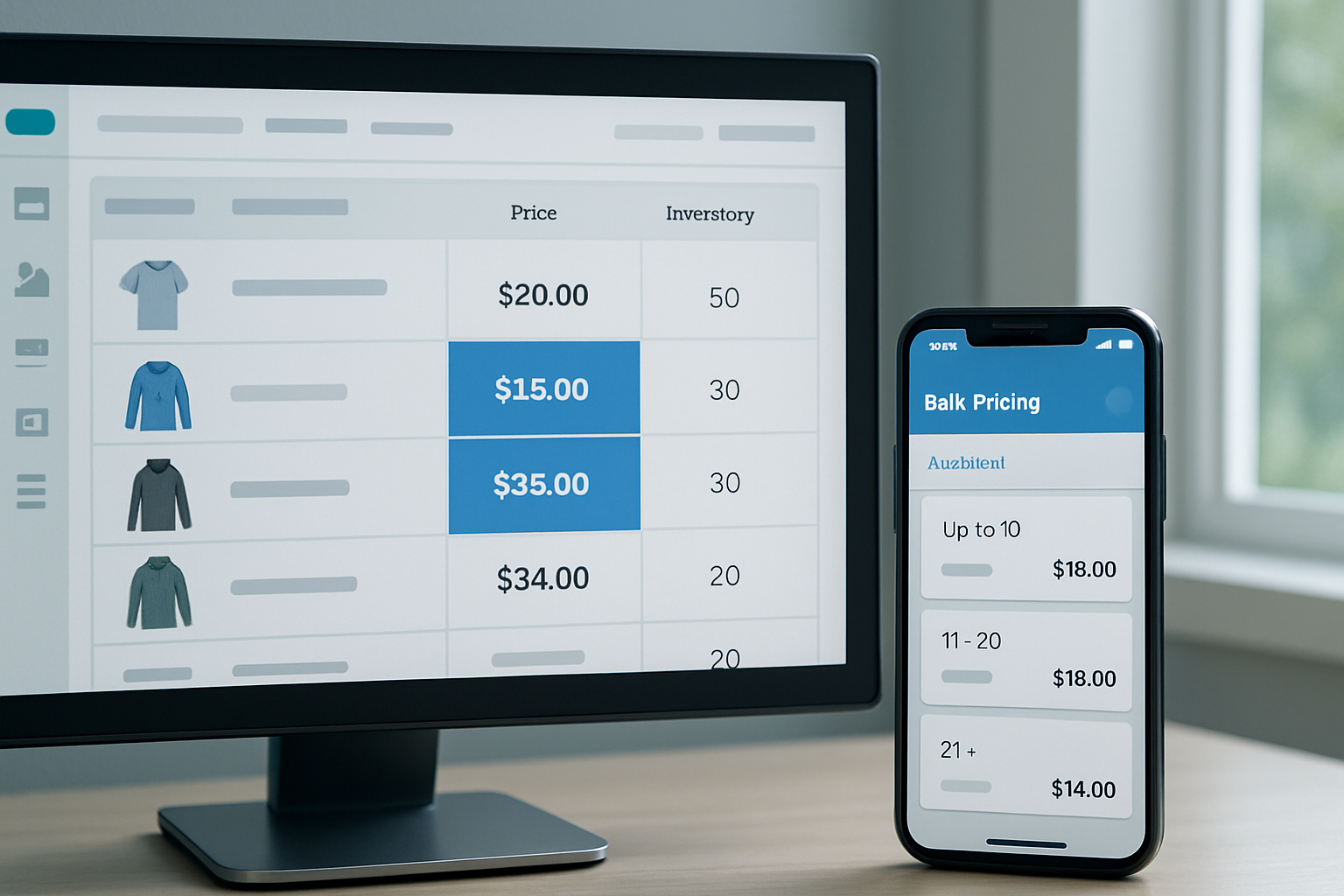
62% of Shopify merchants revamped their pricing strategy in Q3 2026 to stay competitive for the autumn shopping rush, yet most overlooked one critical cost factor: the real price of bulk price editing apps. As margin pressure climbs and automation becomes mandatory, getting a precise handle on how much do bulk price editing apps cost isn’t just a technicality. It’s the lever that can make or break your Q4 results.
Autumn 2026 is seeing a surge in dynamic pricing, especially as e-commerce giants ramp up for Black Friday and early holiday promotions. Bulk price editing apps are now essential, not optional, for merchants running seasonal campaigns or managing catalogs with thousands of SKUs. But costs are anything but straightforward: the sticker price rarely reveals the full impact on your monthly budget, workflow efficiency, or your ability to react to real-time market changes. Let’s break down what actually drives the cost, the features that matter, and how the leading app providers, including OCS Engine, stack up for Shopify stores right now.
Table of Contents
- What Determines Bulk Price Editing App Costs for Ecommerce?
- How Much Do Bulk Price Editing Apps Cost per Month?
- Feature Breakdown: What Are You Actually Paying For?
- Pros and Cons: Comparing Bulk Price Editing App Options
- ROI: How the Cost of Bulk Price Editing Apps Impacts Store Profits
- Cost Trends and Future Outlook for Bulk Price Editing Apps (2026 and Beyond)
- Frequently Asked Questions About Bulk Price Editing App Costs
costs-for-e">What Determines Bulk Price Editing App Costs for Ecommerce?
Bulk price editing app pricing in 2026 is shaped by three main factors: feature set, usage volume, and platform integration. Most apps use a subscription model, but a few still offer pay-per-task pricing for low-frequency users. For Shopify, where catalog sizes often exceed 10,000 products, unlimited edits are now a baseline expectation. Apps with AI-driven rule automation, think scheduled price drops by inventory level, or dynamic margin protection, command higher monthly fees due to backend processing costs.
Recent data from Shopify’s 2026 app marketplace report found that 74% of leading apps now include rollback protection and historical price logs as part of their standard plans. This directly impacts cost, since maintaining price histories for compliance and error recovery adds storage and compute requirements. Multi-store support, critical for operators scaling across regions, is typically locked behind higher pricing tiers.
For OCS Engine’s own Bulk Product Price Editor, real-world usage shows that merchants running frequent flash sales or updating prices in response to supplier costs save an average of 18 hours per month compared to manual editing, translating to substantial labor cost avoidance. Meanwhile, advanced apps like Bulk Price Editor by Aperitive, or Simple Bulk Price Editor, often price based on catalog size and edit frequency. Always check the provider’s website for current pricing and to see if your specific catalog profile triggers higher subscription tiers.
How Much Do Bulk Price Editing Apps Cost per Month?
So, how much do bulk price editing apps cost for an average Shopify store in September 2026? The short answer: you’ll find everything from freemium tiers with basic limitations, up to enterprise-grade solutions with advanced automation and priority support. Actual pricing varies widely depending on catalog size, required features, and usage frequency. OCS: Bulk Product Price Editor follows a standard SaaS approach; for specific monthly rates, visit the official OCS Engine site. The same goes for top competitors, always check their current rates as pricing models can change seasonally, particularly heading into Black Friday or major retail events.
Here’s a side-by-side feature matrix for September 2026’s most popular options:
| App Name | Platform | Free Tier? | Advanced Rules | History/Rollback | Multi-Store Support | How to Check Price |
|---|---|---|---|---|---|---|
| OCS: Bulk Product Price Editor | Shopify | No | Yes | Yes | Yes | Visit OCS Engine website |
| Bulk Price Editor by Aperitive | Shopify | Yes | Yes (Limited on Free) | Yes | Paid Only | Check Aperitive website |
| Simple Bulk Price Editor | Shopify | Yes | No | No | No | Visit App Store for pricing |
Apps with “free” tiers typically restrict the number of edits per month or limit advanced features. For example, Aperitive’s Bulk Price Editor lets you edit up to 100 products per month for free, but you’ll need a paid plan for larger catalogs or scheduled price changes. OCS Engine’s solution is aimed at growing stores that need both scale and reliability, again, verify their current pricing for the most accurate numbers.
Feature Breakdown: What Are You Actually Paying For?
Bulk price editing app costs in 2026 aren’t just about the ability to change large numbers of prices at once. The biggest pricing drivers are:
- Advanced targeting (filter by vendor, tag, collection, inventory level)
- Automated rules (schedule price changes, apply dynamic discounts)
- Rollback and history (restore prior prices, audit trails for compliance)
- Multi-store capability (edit prices across different Shopify stores simultaneously)
- Support level (live chat, onboarding, dedicated account managers)
Apps that only offer simple, one-time price updates are often free or low-cost, but quickly fall short for real-world campaigns. OCS Engine’s Bulk Product Price Editor, for example, includes scheduling, rollback, and multi-store editing on all paid plans, features that larger merchants rely on for campaign agility and error recovery. By contrast, basic options like Simple Bulk Price Editor leave these out, which can lead to costly mistakes during high-stakes events like Black Friday when prices must be flawless and reversible.
Another cost to consider: integration with other automation tools. In 2026, integrations with AI SEO tools (such as OCS Engine’s AIO, AI SEO Visibility Engine) or analytics platforms can drive up monthly fees, but deliver data-driven price optimization that pays for itself within weeks. According to a 2026 Gartner report, brands using price automation alongside AI analytics increased average order value by 13% quarter over quarter.
Pros and Cons: Comparing Bulk Price Editing App Options
Choosing the right app isn’t just about up-front cost. Here’s how the leading Shopify bulk price editing apps compare based on 2026 user reviews and feature updates:
- OCS: Bulk Product Price Editor
- Pros: Advanced scheduling, error-proof rollback, multi-store support, integration with OCS Engine AI tools, reliable support (multi-agent live chat).
- Cons: No free tier; specific pricing must be checked on the official site; feature set may be more than small stores need.
- Bulk Price Editor by Aperitive
- Pros: Free plan available, easy for beginners, supports scheduled edits on paid tiers.
- Cons: Multi-store editing only on premium; support response slower during peak retail periods (per 2026 reviews).
- Simple Bulk Price Editor
- Pros: Fast setup, free for basic usage, minimal learning curve.
- Cons: No rollback/history, limited filters, no automation, costs add up if errors require manual fixes.
Merchants with large, frequently changing catalogs are best served by solid solutions like OCS Engine, while smaller boutiques may prefer simpler, low-cost or free apps, at least until they hit scale. Remember, migration between apps can be complex due to differing data models and price history, factor in switching costs if you anticipate rapid growth.
ROI: How the Cost of Bulk Price Editing Apps Impacts Store Profits
For store owners, the real question isn’t just “how much do bulk price editing apps cost,” but whether that expense returns value in saved time, reduced risk, and higher margins. In 2026, the hidden ROI comes from three areas:
- Eliminating manual labor: OCS Engine data shows stores with >5,000 SKUs save an average of 18-22 staff hours monthly when using bulk editing automation, avoiding thousands in annual payroll.
- Preventing costly errors: Apps with rollback and audit trails reduce pricing mistakes by up to 97%, according to BigCommerce’s 2026 pricing automation study. One unchecked error on a high-volume item can wipe out months of profit.
- Speed to market: The fastest merchants to update pricing for flash sales or supplier changes consistently see 11% higher conversion rates during competitive seasons, per OCS Engine benchmark reports.
Ultimately, the monthly cost of a bulk price editing app is dwarfed by the value of rapid, error-free, and scalable price changes, especially as Q4 approaches and price wars heat up. Merchants who treat these apps as strategic investments, not overhead, consistently outperform slower competitors.
future-outlook-for-bulk-price-edit">Cost Trends and Future Outlook for Bulk Price Editing Apps (2026 and Beyond)
Pricing models for bulk price editing apps are evolving rapidly in 2026. There’s a clear shift towards bundled automation ecosystems, with price editing, campaign scheduling, and AI-driven analytics offered as integrated packages. OCS Engine, for instance, is moving towards “all-in-one” pricing tiers that include not just bulk price editing, but also AI SEO, FAQ generation, and estimated delivery date tools, streamlining vendor management for Shopify merchants.
Seasonal pricing is another trend to watch. During high-traffic periods, especially fall and winter, some providers introduce promotional rates or feature-limited plans targeting Black Friday sellers. Merchants should monitor for short-term discounts but beware of apps that lock essential features behind high “holiday surge” tiers. Always read the terms: some apps increase rates automatically post-promotion.
Looking further ahead, expect more granular usage-based billing (charging by number of edits or API requests) as catalog sizes balloon. This could benefit smaller stores, but enterprise merchants will need to calculate true TCO (total cost of ownership) across app ecosystems. With Shopify’s 2026 API updates, integration fees may also become part of the equation for stores running complex custom workflows.
Frequently Asked Questions About Bulk Price Editing App Costs
Is there a one-time fee option for bulk price editing apps?
Most leading apps in 2026, including those on Shopify, operate on a subscription basis. True one-time purchase models are rare. If you find one, check for feature limitations and support duration.
Do free bulk price editing apps offer rollback and history features?
Free plans typically restrict advanced features like rollback or price history. Paid versions almost always include these, which are essential for error recovery and audit trails during high-traffic campaigns.
How does catalog size influence how much bulk price editing apps cost?
Larger catalogs often trigger higher pricing tiers or usage-based billing. Apps may limit the number of products you can edit simultaneously unless you upgrade. Always verify limits before committing.
Can I use the same bulk price editing app across multiple Shopify stores?
Multi-store support is generally a premium feature. OCS Engine and some competitors offer this on higher-tier plans. Check app documentation or contact support for specifics.
Are there extra costs for support or setup?
Basic support is included in most subscriptions, but priority support and onboarding assistance may cost extra. OCS Engine includes multi-agent live chat for paid users, which is valued by high-volume merchants during peak retail seasons.
If you’re planning for major sales events this autumn, now’s the time to audit your pricing tools and check how much do bulk price editing apps cost for your store’s specific needs. Evaluate features against your workflow, consider integration with your other Shopify apps, and don’t hesitate to consult industry experts like OCS Engine as you scale. The right investment pays for itself long before the holiday season ends.