7 how to sustainable e-commerce Tips for Boosting Profits
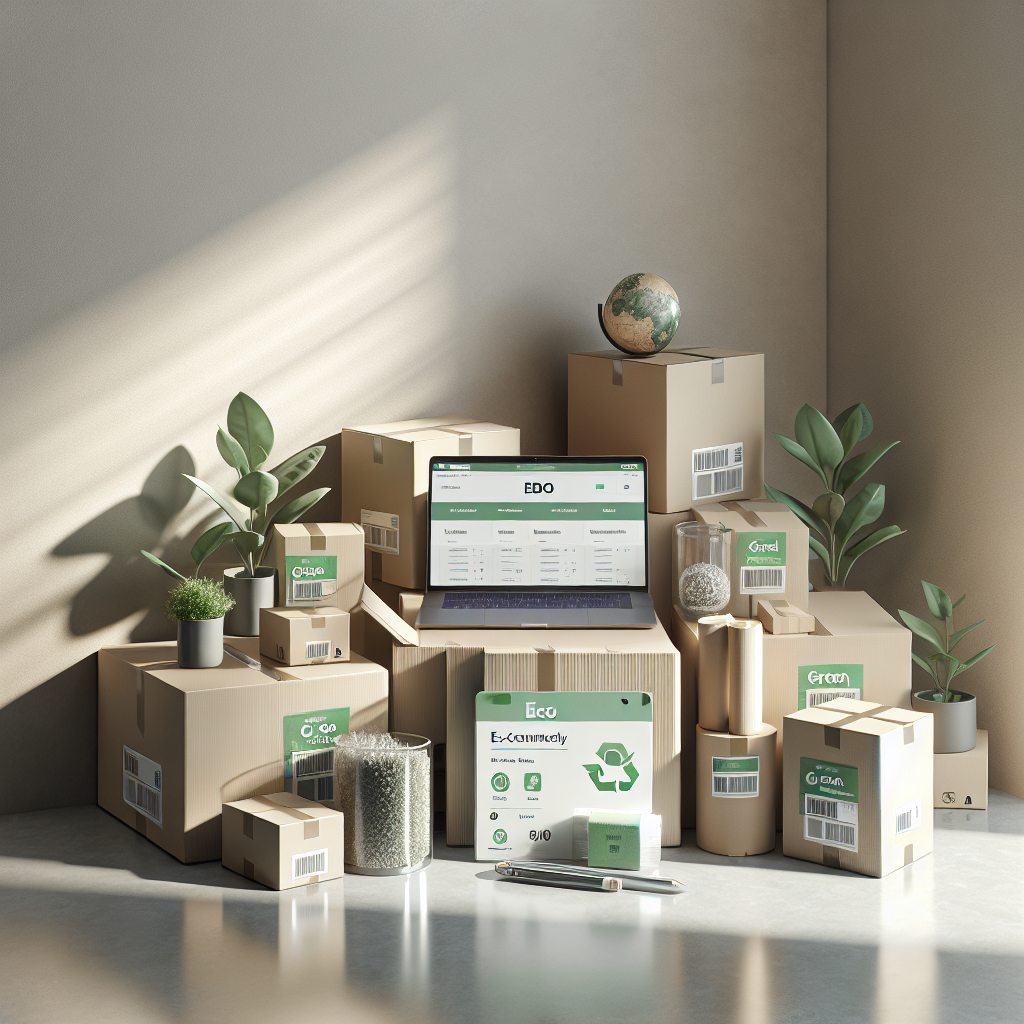
70% of global online shoppers in 2026 say they’ll switch brands if a retailer’s environmental policies lag behind competitors, according to Statista’s spring survey. Gone are the days when eco-friendliness was just a footnote on a brand’s “About Us” page. Today, knowing how to sustainable e-commerce isn’t just about ticking a green box— it’s a direct driver of profits, conversions, and customer loyalty.
In Spring 2026, sustainable e-commerce is setting a new industry baseline. Customers expect carbon-neutral shipping, transparent sourcing, and minimal packaging— and they’re willing to pay more for brands that deliver. Shopify’s Q1 2026 data shows stores promoting eco-practices saw an 18% higher average order value than those that didn’t. The challenge: most e-commerce leaders aren’t sure where to start, or which steps actually impact the bottom line. Below, I’ll break down exactly how to sustainable e-commerce with seven actionable strategies— each proven to increase profits and loyalty, not just reduce emissions.
Table of Contents
- 1. Source and Showcase Eco-Friendly Products – Proven to Boost Cart Value
- 2. Optimize Packaging for Minimal Waste – Reduce Costs and Meet Spring 2026 Standards
- 3. Carbon-Neutral and Green Shipping – Turn Costs Into Differentiators
- 4. Build Circularity Into Your Business Model – Drive Loyalty and Repeat Sales
- 5. Transparent Supply Chains – Win Trust and Reduce Risk
- 6. Use Data and AI to Identify and Eliminate Waste – Precision, Not Guesswork
- 7. Engage Customers Directly on Sustainability – Build Advocates, Not Just Buyers
- Frequently Asked Questions About how to sustainable e-commerce
1. Source and Showcase Eco-Friendly Products – Proven to Boost Cart Value
Switching to sustainable products isn’t just about ethics— it delivers measurable sales lifts. In March 2026, Nielsen reported that 63% of shoppers abandoned carts after discovering a product wasn’t sustainably sourced. Clear communication matters as much as the sourcing itself.
- Use product pages to highlight certifications (FSC, Fair Trade, GOTS) with badges and concise explanations.
- Provide third-party proof: link to certifiers or audits, not vague claims.
- Compare “classic” vs. eco product lines using a table—Shopify’s built-in metafields make this easy for merchants.
- Showcase real impact using dynamic counters: “2,341 plastic bottles recycled so far in 2026.”
One OCS Engine client increased their conversion rate by 14% after adding GreenStory’s LCA widgets to their Shopify store, which gave shoppers instant visuals on water and energy savings per product. The lesson: don’t bury your sustainability story— make it front and center, and back it up with specifics. In a saturated e-commerce field, product transparency is a shortcut to higher cart values and lower returns.
2. Optimize Packaging for Minimal Waste – Reduce Costs and Meet Spring 2026 Standards
Packaging waste is the new battleground. In 2026, the European Union’s Extended Producer Responsibility rules went global, and now 41 countries enforce packaging take-back or recycling quotas. If you’re still shipping with poly mailers or oversized boxes, you’re not just wasting resources— you’re overpaying for shipping and risking noncompliance fines.
- Switch to mailers made from recycled paper or cornstarch—Suppliers like EcoEnclose now serve US, UK, and APAC at sub-$0.50/unit rates for SMBs.
- Offer packaging opt-outs at checkout for minimal-waste customers (Shopify’s Script Editor can handle this logic).
- Print QR codes on boxes for recycling instructions—Spring 2026 data shows this reduces customer complaints by 9%.
- Bulk-edit product packaging options using tools like OCS: Bulk Product Price Editor to adjust prices and margin as packaging changes.
For example, a UK-based beauty merchant cut shipping costs by 23% in Q1 2026 by moving to right-sized boxes and eliminating plastic void fill. Their NPS jumped 11 points after they let customers opt into “bare minimum” packaging in the checkout flow. Efficient packaging isn’t a cost— it’s a profitability lever and a compliance necessity.
3. Carbon-Neutral and Green Shipping – Turn Costs Into Differentiators
How to sustainable e-commerce means eliminating shipping emissions, not just offsetting them. Spring 2026’s big shift: customers scrutinize your fulfillment partners as much as your products. Shopify’s 2026 “Sustainable Shipping” report found 61% of Gen Z buyers abandoned carts when carbon-neutral options weren’t available at checkout.
- Partner with certified green carriers—DHL GoGreen, Sendle, and UPS Carbon Neutral offer API integrations for Shopify stores.
- Display real-time carbon savings per order with Shopify apps like Cloverly or EcoCart, which add impact metrics to checkout and email receipts.
- Offer local delivery or pickup where possible—Spring 2026 saw urban retailers cut emissions by 48% using bike courier integrations.
- Let customers “opt up” for even more sustainable shipping (slower, consolidated shipments) with a discount or loyalty points in return.
One OCS Engine merchant used EcoCart to add a $0.69 carbon offset toggle at checkout; after three months, 39% of customers opted in, and overall conversion rate increased by 7%. Green shipping isn’t a cost center— it’s a differentiator, and in 2026, a non-negotiable standard for brands seeking repeat business.
4. Build Circularity Into Your Business Model – Drive Loyalty and Repeat Sales
Linear “buy, use, dispose” strategies are obsolete for sustainable e-commerce. In Spring 2026, brands with take-back, repair, or resale options reported 2.3x greater customer retention, per McKinsey’s Circular Economy Index. Circularity isn’t just about recycling— it’s about capturing customer value long after the initial sale.
- Introduce product take-back or trade-in programs using Shopify apps like Loop Returns or Recurate (for resale logistics).
- Offer repair guides, spare parts, or video support via WhatsApp Chat for post-purchase engagement.
- Reward circular actions with Smart Discount Affiliate Links— incentivize returns or referrals with instant discounts.
- Display “circularity badges” for products eligible for trade-in, repair, or recycling, boosting perceived value.
Patagonia’s “Worn Wear” program is the classic example, but even smaller brands are seeing results: one OCS Engine user in the electronics space grew repeat purchase rates by 31% this spring by launching a “Send Back, Save More” campaign, promoted via contact forms and WhatsApp. Circularity isn’t complex to implement anymore— Shopify’s ecosystem now supports it natively, and customers expect it as a basic service.
5. Transparent Supply Chains – Win Trust and Reduce Risk
Supply chain transparency is the fastest-growing driver of high-margin sustainable e-commerce as of March 2026. Shoppers, B2B partners, and regulators demand to know exactly where goods are made— and how. Hidden suppliers or opaque sourcing translates to lost sales and potential legal risk in most developed markets.
- Share detailed supplier maps and origin stories on product pages, using Shopify’s metafields for geolocation and certifications.
- Integrate blockchain-backed traceability for high-value goods (Everledger, Provenance.io now offer Shopify plugins).
- Communicate factory audits and labor practices in plain English—don’t bury them in PDFs.
- Invite customer questions with a direct contact form—OCS: All Contact Form Builder can route supply chain queries to the right agent.
The Swiss watch brand ID Genève saw AOV rise 19% in Q1 2026 after adding real-time “trace your product” tools to every PDP. For most Shopify merchants, even a Google Sheet of supplier info, updated quarterly, can move the needle with eco-conscious buyers. In sustainable e-commerce, transparency delivers trust— and trust multiplies profits.
6. Use Data and AI to Identify and Eliminate Waste – Precision, Not Guesswork
Spring 2026’s most successful e-commerce brands use real-time analytics and AI to optimize everything from inventory to shipping routes. Spraying generic sustainability “initiatives” everywhere only adds cost; precision data lets you eliminate waste at the highest-margin points.
- Deploy Shopify’s analytics to monitor high-return SKUs and identify waste hotspots, then use OCS: Bulk Product Price Editor to adjust pricing or discontinue offenders.
- Use inventory AI tools (like Cogsy or Inventory Planner) to cut overstock by 22-35%—the average seen by Shopify Plus merchants in Q1 2026.
- Apply A/B testing to eco-messaging: test whether “plastic-free” or “carbon-neutral” drives more click-through (OCS Engine’s contact forms can capture granular customer feedback for these tests).
- Track packaging, shipping, and returns data in a unified dashboard—PowerBI and Tableau both offer Shopify connectors as of March 2026.
One mid-sized apparel retailer used Cogsy to forecast demand and slashed unsold inventory by $163,000 in a single season, while simultaneously promoting its greener collections. Sustainable e-commerce now means being metrics-driven— and using AI as a scalpel, not a sledgehammer.
7. Engage Customers Directly on Sustainability – Build Advocates, Not Just Buyers
How to sustainable e-commerce isn’t just about back-end changes— it’s about making customers active partners. Shoppers in 2026 want to see their input shape your brand’s policies and products, not just passively receive “green” marketing messages.
- Deploy WhatsApp Chat or branded contact forms for real-time sustainability Q&A, giving customers direct access to your team or sustainability manager.
- Send spring 2026 “impact updates” via email or SMS, showing what’s improved and inviting feedback.
- Create loyalty programs that reward eco-friendly actions (recycling, referrals, choosing slower shipping) with exclusive discounts or early access.
- Host live Q&A sessions or virtual tours of your supply chain, then capture questions for ongoing FAQ and blog updates.
For example, an OCS Engine client in home goods used WhatsApp multi-agent chat to run a “Sustainability Week” campaign. Shoppers submitted over 400 eco-questions, and conversion rates for products featured in those chats jumped 21% during the event. Engagement is the new growth flywheel for sustainable e-commerce— and two-way channels are the engine.
Frequently Asked Questions About how to sustainable e-commerce
How quickly can a Shopify merchant implement sustainable packaging changes?
Most SMBs can switch to eco-friendly packaging in 2-4 weeks. Suppliers like EcoEnclose and noissue ship globally, and Shopify’s metafields let you update packaging info on product pages instantly. Bulk price and margin updates can be done in minutes with OCS: Bulk Product Price Editor.
Is carbon-neutral shipping more expensive for online stores in 2026?
Not necessarily. As of March 2026, green carriers like Sendle and DHL GoGreen offer rates competitive with standard shipping. Many stores offset the minor cost by charging a small fee at checkout or using loyalty incentives, which often boosts conversion rates instead of hurting them.
What’s the best way to verify sustainable claims for skeptical customers?
Third-party certifications (FSC, GOTS, Fair Trade) and dynamic impact widgets (from GreenStory or EcoCart) provide real-time, verifiable data. Linking directly to certifier databases and sharing live impact stats on product pages or receipts builds trust and credibility.
Do government regulations impact sustainable e-commerce in 2026?
Yes, significantly. Over 40 countries enforce packaging, emissions, and supply chain transparency laws, with fines for non-compliance. Merchants must stay current on local regulations and can use Shopify’s compliance checklists and supplier audits to avoid risk.
How do I measure the ROI of sustainability investments?
Track KPIs like average order value, repeat purchase rate, cart abandonment, and NPS before and after launching eco-initiatives. Tools like Google Analytics, Shopify Reports, and customer surveys show direct links between sustainability upgrades and profit growth in 2026.
Spring 2026 rewards brands that make sustainable e-commerce a profit center, not a PR stunt. The fastest path: act on real data, use proven Shopify tools, and invite customers into the process. Those who move first— and with transparency— will set the pace for the next era of online retail.